March Edition of the Crypto Altruists Newsletter
👋Hello, Crypto Altruists!
If your feed looks anything like ours lately, it's been a lot of AI. OpenClaw hackathon photos, builders posting their Claude experiments at 2 am, model release threads that go on forever, and even emails signed off by autonomous AI agents.
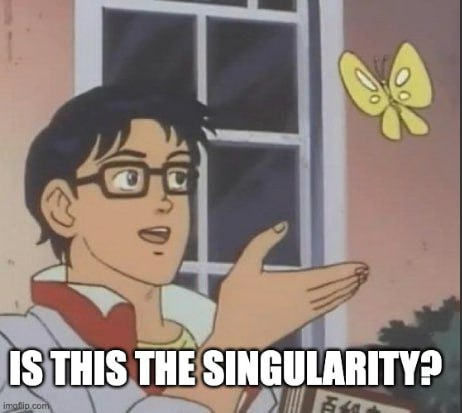
For the web3 world, this has meant a lot of opportunity, but perhaps even more importantly, the necessity of figuring out what its relationship with AI actually looks like. Vitalik has been thinking out loud about where Ethereum fits into all of this, from privacy tools to economic infrastructure for AI agents.
And the question of who controls AI and what it's used for is getting urgent fast. In the same week, Anthropic signed an MOU with Rwanda to bring AI into health and education and held its ground on restrictions against using Claude for mass surveillance and autonomous weapons, getting designated a national security risk by the Pentagon for it. OpenAI, meanwhile, signed a deal with the Pentagon to provide AI technology for use in classified military systems, prompting a sharp backlash: ChatGPT uninstalls spiked nearly 300% the day after the announcement. Two very different visions of what this technology is for; and the community responded.
The values that have shaped this community; decentralization, transparency, access, and coordination, are exactly the ones that need to be in the room as AI infrastructure gets built. So expect us to be covering this intersection more. Not the hype, but the work.
Now, let's dive into this month's updates... 👇
🌱 Featured: Your Public Goods Funding Profile
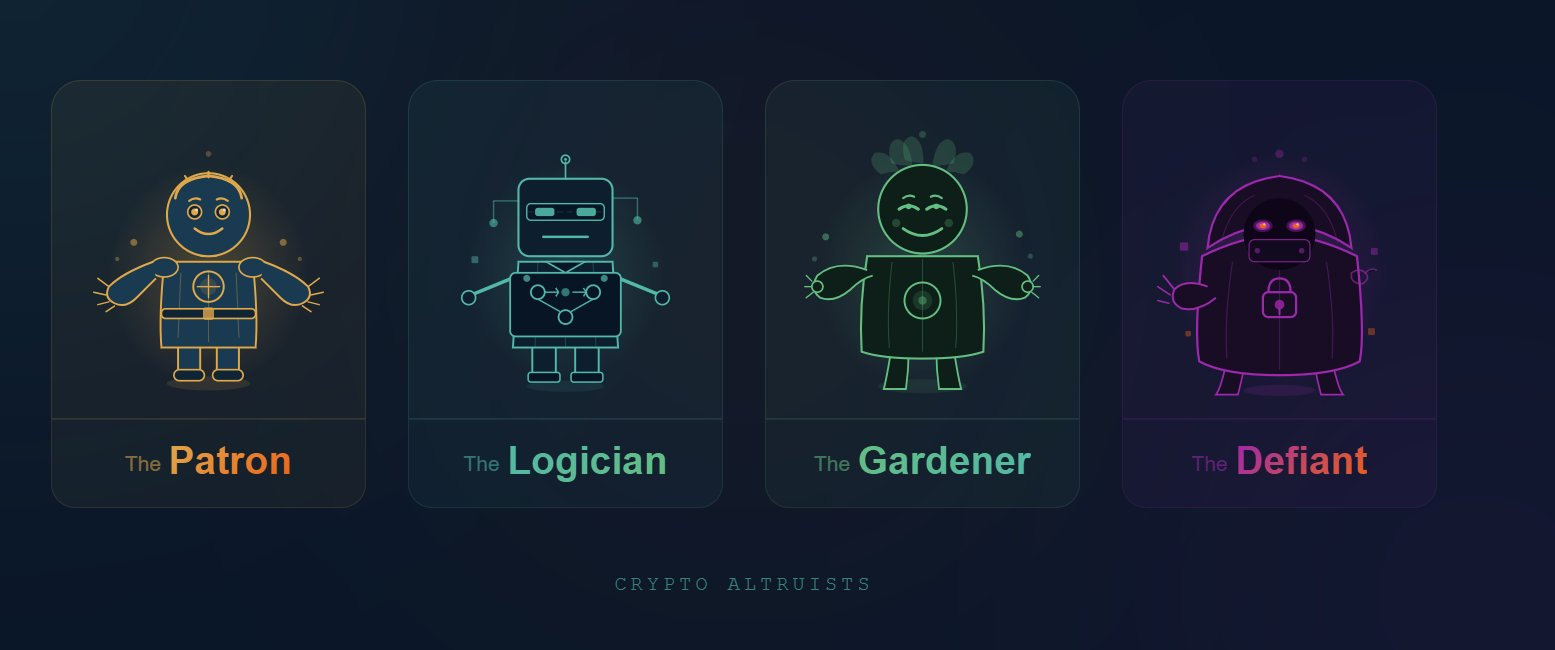
Octant's migration season got us thinking. About epochs, about funding rounds, about the kinds of people who show up for this work again and again.
And then we thought: Are we all doing this for the same reasons? 🤔
Turns out, not really. Some people fund public goods because they care deeply about the humans behind the work. Others are in it for systems change, or culture, or something more quietly rebellious. So we built a quiz to settle it once and for all.
We've loved seeing your results roll in, so keep them coming! 💚
I'm The Patron—I fund the person behind the work. 🤝
— JulioMCruz.base.eth (@JulioMCruz) February 26, 2026
Some of the most important contributors are one difficult month from walking away. I take that seriously.
What kind of public goods funder are you? 👇https://t.co/BxP4gpj14R @Crypto_Altruism pic.twitter.com/FanA3Xu5Pg
It's quick, it's fun, and it will sort you into one of four types: The Patron, The Logician, The Gardener, or The Defiant. Take it and let us know what profile you get matched with. 👇
💡 March impact spotlight
Ecosystem developments 🚀
- Octant migrates to v2: The platform moved from rigid 90-day epoch cycles to a flexible model where users can lock and unlock GLM tokens anytime, earning WETH rewards continuously. V1 is now winding down, with the first v2 funding rounds expected in the coming months.
- Bonfires.ai debuts collective intelligence tool at ETHBoulder: The platform built a real-time knowledge graph for the regen conference, letting 200+ attendees navigate discussions, share insights, and make sense of the weekend via an AI agent on Telegram.
- UNICEF Venture Fund reopens blockchain cohort after four years: The fund is seeking startups from emerging markets with blockchain-based solutions for accountability, new financing models, and digital public goods, offering up to $100,000 in crypto. Deadline to apply is March 10, 2026.
- Celo prepares for Jovian Hardfork on mainnet: Scheduled for March 17, the upgrade integrates features from Optimism's Jovian release, continuing Celo's evolution as an Ethereum L2 and improving compatibility with the broader OP Stack ecosystem.
- BCarbon migrates carbon registry to Hedera for digital audit trails: The nonprofit is moving 2M+ carbon credits to Hedera to strengthen auditability and transparency, with plans to automate verification workflows across methane, soil, forestry, and blue carbon projects.
- BlockchainGov publishes special issue on Digital Solidarity Economies: The 14-paper collection maps how communities are building cooperative tech infrastructure, including a first-of-its-kind empirical study of DAO labor arguing that token governance often reproduces shareholder capitalism in disguise.
- Funding the Commons launches $100k match fund on Artizen: Projects building public goods infrastructure, governance tools, and coordination research can apply and receive a share of the pool based on community Artifact purchases, with the sale open for roughly 110 days.
- Vitalik Buterin weighs in on surveillance, privacy, and the balance of power: In response to a piece on Iran's surveillance state, Buterin makes the case that privacy technology isn't a cultural preference—it's a practical check on government power and one of the few tools that can prevent authoritarian regimes from locking in control permanently.
- Giveth to run operations for the reactivated TheDAO Security Fund: Nearly a decade after its infamous hack, TheDAO is back with 75,000+ ETH dedicated to Ethereum security, with Giveth managing funding rounds and keeping the process transparent and publicly documented.
- UNICEF pilots blockchain cash transfer system in Nairobi: Three Venture Fund startups built AidLink, an SMS-based system that delivered USDC to 49 participants via basic phones, converting it to mobile money without internet access.
- CONFED and EcoGuard Global sign agreement to build the Philippines' first digital carbon office on Hedera: The platform will digitize the full carbon asset lifecycle for over 3 million coconut farmers, enabling them to monetize carbon sequestration across 3.6 million hectares through real-time verification and Article 6 carbon credit trading.
- Audrey Tang highlights Engaged California as deliberative democracy in action: Inspired by Taiwan's deliberative model, the platform lets California state employees surface ideas for more efficient government. It is now in its second iteration, with Tang pointing to it as proof that listening at scale drives real policy outcomes.
- Edge City announces programming for Edge Esmeralda 2026: The popup village returns to Healdsburg, California from May 30–June 27, with four weekly themes spanning health and longevity, AI and governance, decentralized tech, and new urbanism and climate.
- Metagov publishes update on Interoperable Deliberative Tools research area: The initiative now spans 30+ teams across six working groups advancing open, modular collective intelligence tooling, with progress on a deliberative data ontology, AI facilitation standards, and participant rights frameworks.
- Launchnodes & The GSR Foundation launch Philanthropy 3.0 Podcast: The new series highlights how stablecoins and staking are opening up entirely new avenues for global giving.
Crypto Altruists content & updates 💚
- 🎙️ Crypto Altruists Episode 238: Web3 Foundation on Identity, Community Currencies, and Real-World Impact: Bill Laboon of Web3 Foundation explores how blockchain can serve real communities—from a 240% aid multiplier in Tanzania to helping NGOs coordinate safely in conflict zones.
- 📝 Our Reflection on Values, Politics, and the Battle for Crypto's Soul: An honest look at the growing tension in crypto between speculation and impact, and why the people who care about building systems that actually work for people need to stay in the room.
- 📝 Octant Is Migrating to V2: Here's What's Happening & How to Move Your GLM: A practical guide to Octant's migration from v1 to v2, covering what's changing, how continuous rewards work, and the steps to move your locked GLM before April 1.
- 🎙️ Crypto Altruists Episode 239: GoodDollar on Funding, Mentorship, and Building Impact with G$: Rael Kilonzo and Hadar Rottenberg discuss GoodBuilders, a grants program that streams funding in real time and adjusts allocations based on community voting and progress.
- 📊 Infographic: How Blockchain is Transforming Healthcare: Eight key use cases from patient data ownership and drug traceability to DeSci funding and crypto health incentives, with a global blockchain healthcare market projected to reach $750 billion by 2033.
- 🎙️ Crypto Altruists Episode 240: Blockchain and Humanitarian Resilience with Algorand Foundation & HesabPay: Matthew Keller and Nigel Pont share how blockchain is enabling digital payments in Afghanistan, expanding healthcare access for women in India, and building aid infrastructure where traditional systems have failed.
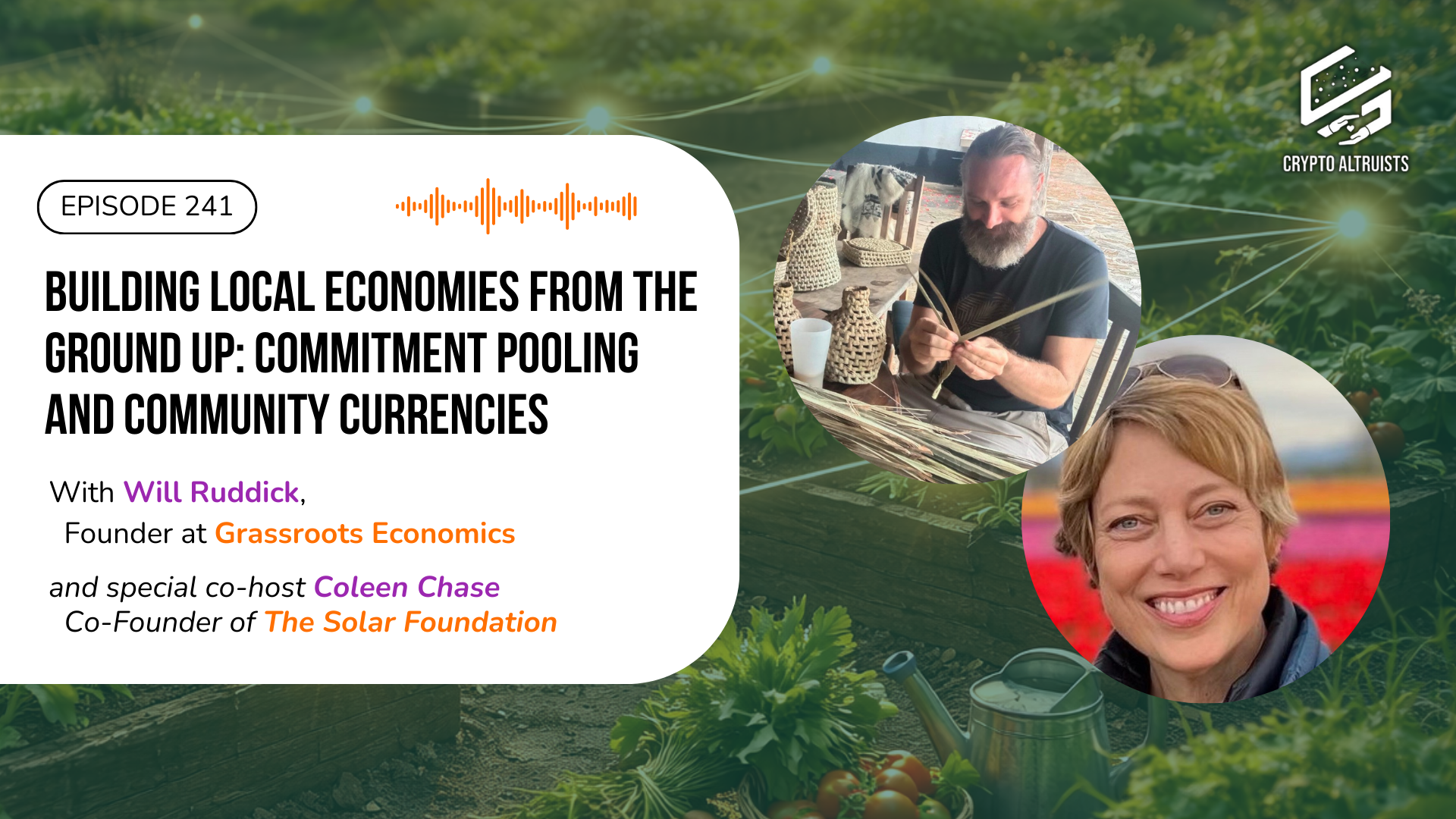
- 🎙️ Crypto Altruists Episode 241: Building Local Economies with Grassroots Economics & The Solar Foundation: Will Ruddick and Coleen Chase discuss how communities can create their own local currencies backed by skills and goods rather than money, and how Web3 helps make that work at scale.
Insightful resources 📖
- The Case for Web3 by Yaniv Tal: The Graph co-founder suggests that web3's real promise was never finance, but solving coordination failures around trust, information, and identity, and that retreating to institutional use cases won't deliver on that original vision.
- Do Not Surrender to the Tech Tree by Tao Burga: A thoughtful essay arguing that even if technological progress is largely predetermined, humans still have meaningful windows to steer it, and that now is the moment for AI.
- Land Is Life. So, How Do We Protect It? by Tereza Bizkova: A deep-dive into land stewardship and regeneration, exploring why care-based land management is structurally underfunded and where web3 tools like GainForest, Silvi, and AgroforestDAO are starting to fill the gap.
- The Infrastructure of Belonging by Benjamin Life: A thoughtful essay on bioregionalism and plural governance, arguing that blockchain can enable communities to self-organize around the places they actually live in—the watersheds, ecosystems, and neighborhoods.
- Why AI Needs Crypto by Brian Flynn: A compelling case that blockchains aren't just for speculation—as AI agents begin transacting autonomously, crypto infrastructure becomes the natural foundation for programmable payments, ownership, and incentive alignment between machines.
🌟 Project highlight: Alliance for Public Health
February 24 marked four years since Russia launched its full-scale invasion of Ukraine. It's one of the reasons why we're spotlighting the Alliance for Public Health this month; an organization that has been on the ground in Ukraine and across Eastern Europe and Central Asia for 25 years, and whose work has only become more critical since the invasion began.
APH has helped avert over 50,000 new HIV infections, reaches more than 250,000 vulnerable people annually, and has shared its model across 60 countries. Since February 2022, they've also pivoted to serve veterans and civilians living with war-related injuries, reaching 1.6 million Ukrainians with support to date.
Four years of full-scale war.
— AlliancePublicHealth (@allianceforph) February 24, 2026
Millions displaced.
Thousands of health facilities damaged or destroyed.
This report tells the story of resilience — and of the people ensuring continuity of healthcare across Ukraine.
Read the full report here: https://t.co/M9C8lE5jtd pic.twitter.com/EvQKM4EK0m
Right now, APH is running a campaign for blind veterans through their Touch Point project. It offers rehabilitation, mobility training, digital skills, and psychological support for people who've lost their sight serving their country. Rather than emergency aid, it's a long-term reintegration model designed to help veterans go from recipients of care to active participants in their communities.
We recently partnered with APH to explore how crypto can help scale their mission, and we're excited to highlight their first crypto fundraising campaign on Endaoment. Initiatives like this open new funding pathways at exactly the moment they're needed most. USAID cuts and shifting donor priorities have hit organizations like APH hard, and diversifying funding has become less of a strategic objective and more of a survival strategy.

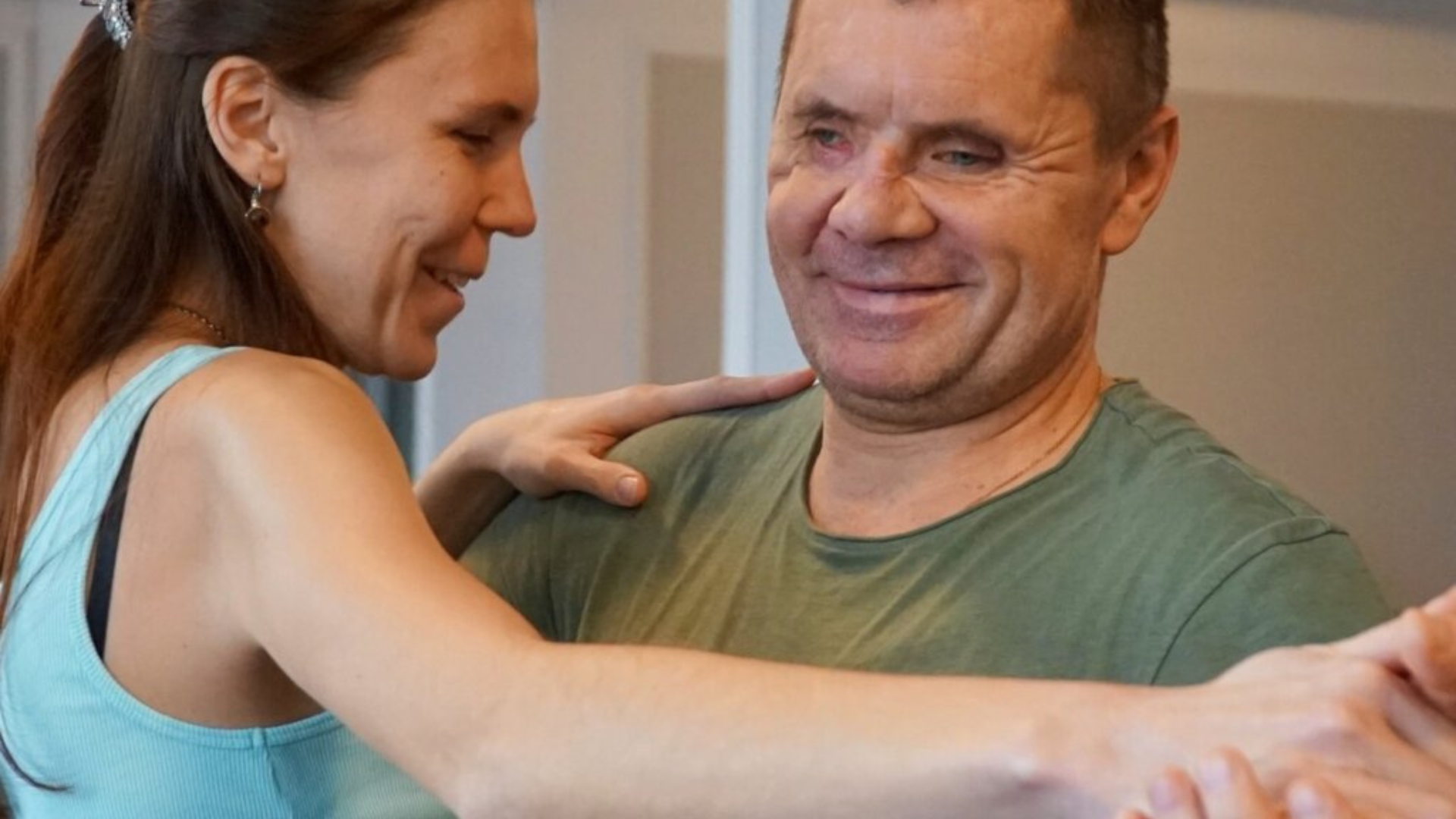
We wrote about this partnership and what it means for the future of crypto philanthropy in conflict zones. Read the full piece here.
If you want to support the campaign directly, you can donate crypto via Endaoment or fiat via GlobalGiving. 🙌
💡 Bring web3 into your nonprofit's mission
Crypto Altruists works with nonprofits, foundations, and impact teams that want to understand if blockchain is useful for their work. We help with things like crypto donations, transparency tools, and practical web3 experiments.
Our consulting and workshops are hands-on, clear, and tailored to your reality. Book a call if you want to explore what makes sense for your work. 🤝
💸 Send a tip in ETH: cryptoaltruists.eth
🤝 Send a tip in BTC, SOL, and other tokens
☕ Buy us a coffee
📬 Stay connected
Subscribe to get Crypto Altruists content delivered directly to your inbox every month. If you'd like to share any feedback or ideas, you can always reach us at partnerships@cryptoaltruists.com & via the social media platforms below!
Twitter | LinkedIn | Bluesky | Instagram | YouTube | Farcaster |Podcast
See you in the next edition! 💚